
CPA Experts McKinney Alternative CPA McKinney. The close comes before the return.
The books get closed with you, payday is set up on the provider you already run, and the return waits until those books agree with the bank. That close is Steven Palmieri's work, under the name Tax CFO, the Entrepreneur's CFO. A price before the books are read is the wrong order.
- Books closed against the bank.
- Payday set up on your provider, with the login left in your hands.
- The return, after the books agree.

The Tax CFO way with a person.
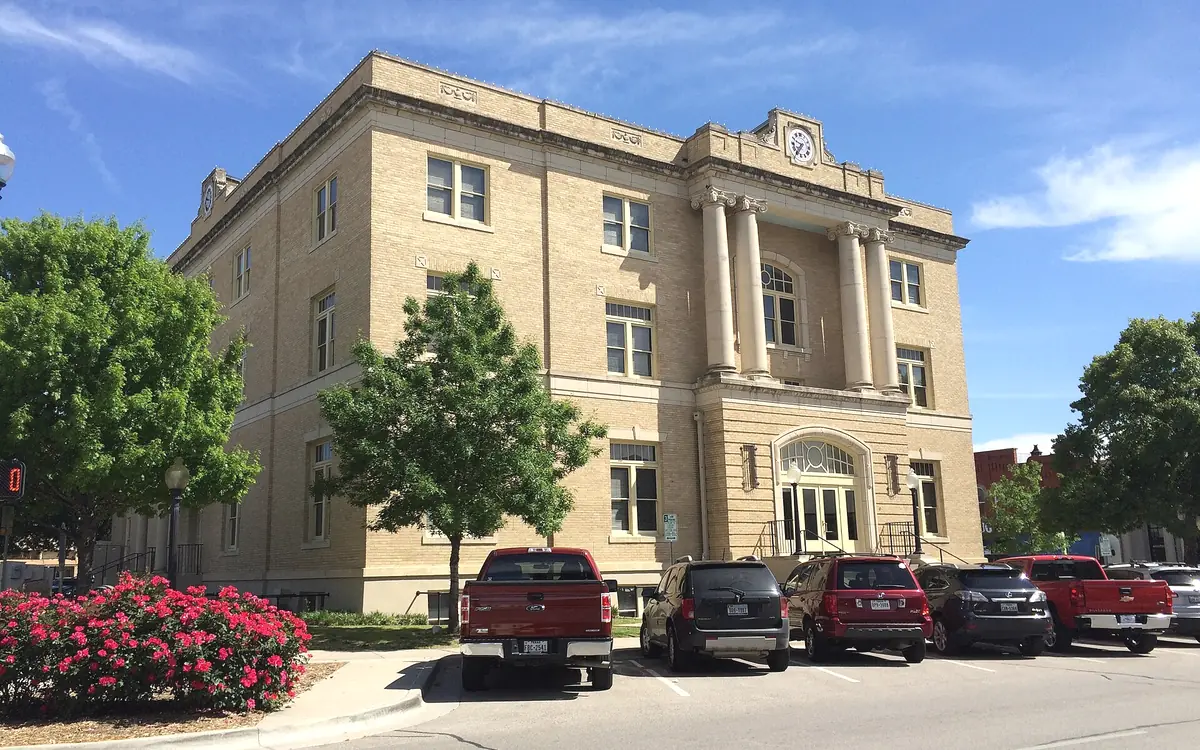
A fee can show up before anyone has read the books. A Tax CFO sits with you on the books, on payday setup, and on the return, and then on the decision. The owner's pay, a purchase, and the shape of the company come before a price is put on the year. The books are the floor. The decision is the work. We enjoy the 1911 post office downtown on the free museum days, the way anyone who walks in does. A building can change jobs and still be loved, and the bank still has to agree.
The books and the bank.
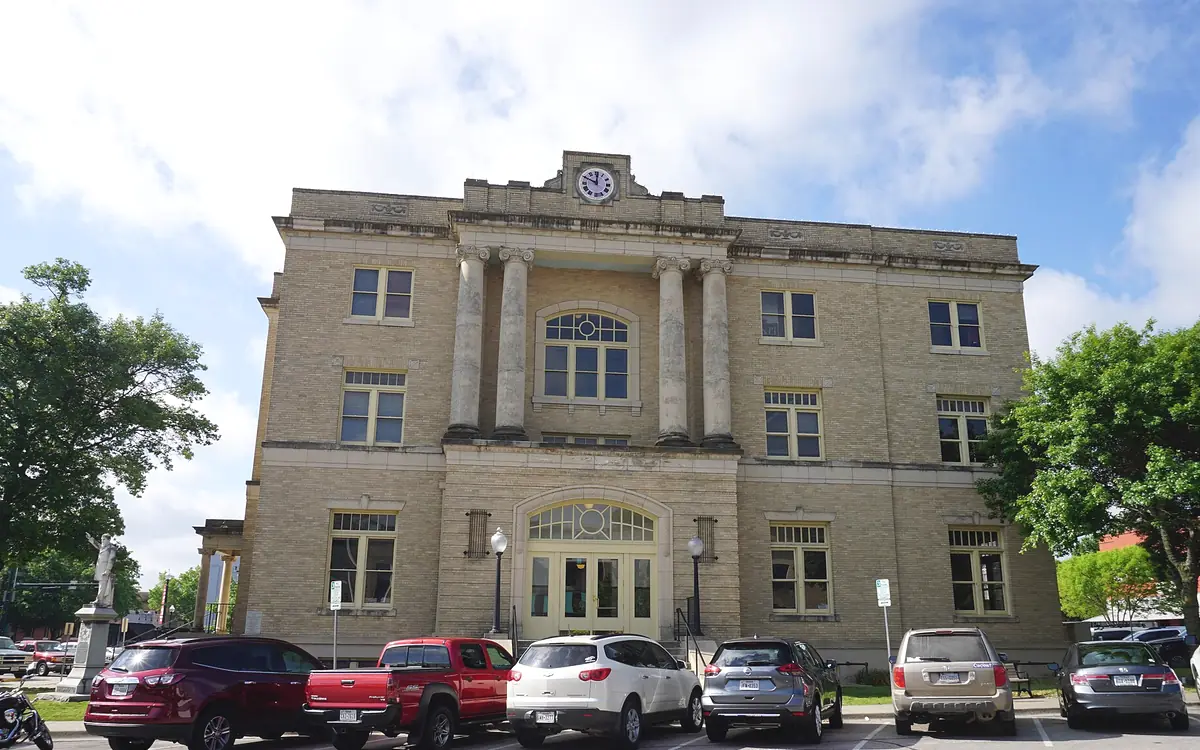
When the old courthouse on the square fills for a show, we enjoy that night as much as you do. The books still need a close the next morning.
Click to see the books ›Tap to see the books ›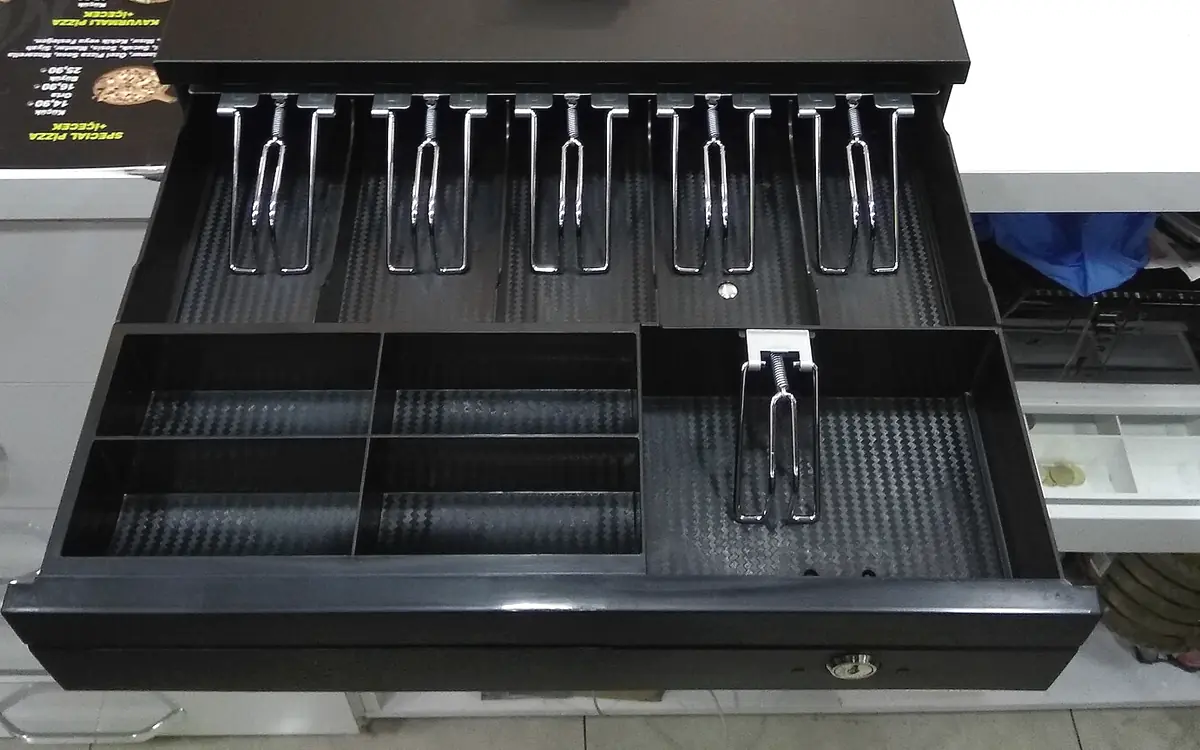
Who reads the till.
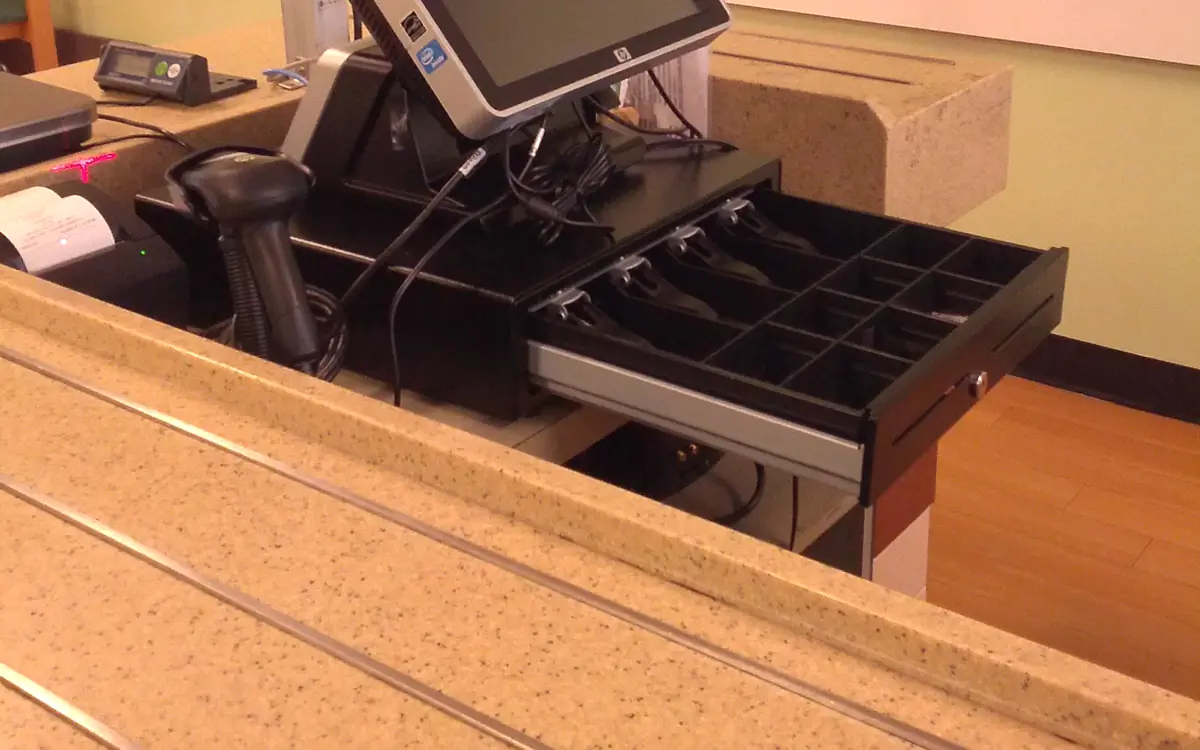
A person looks at the drawer before the phone rings.
Click to see the till ›Tap to see the till ›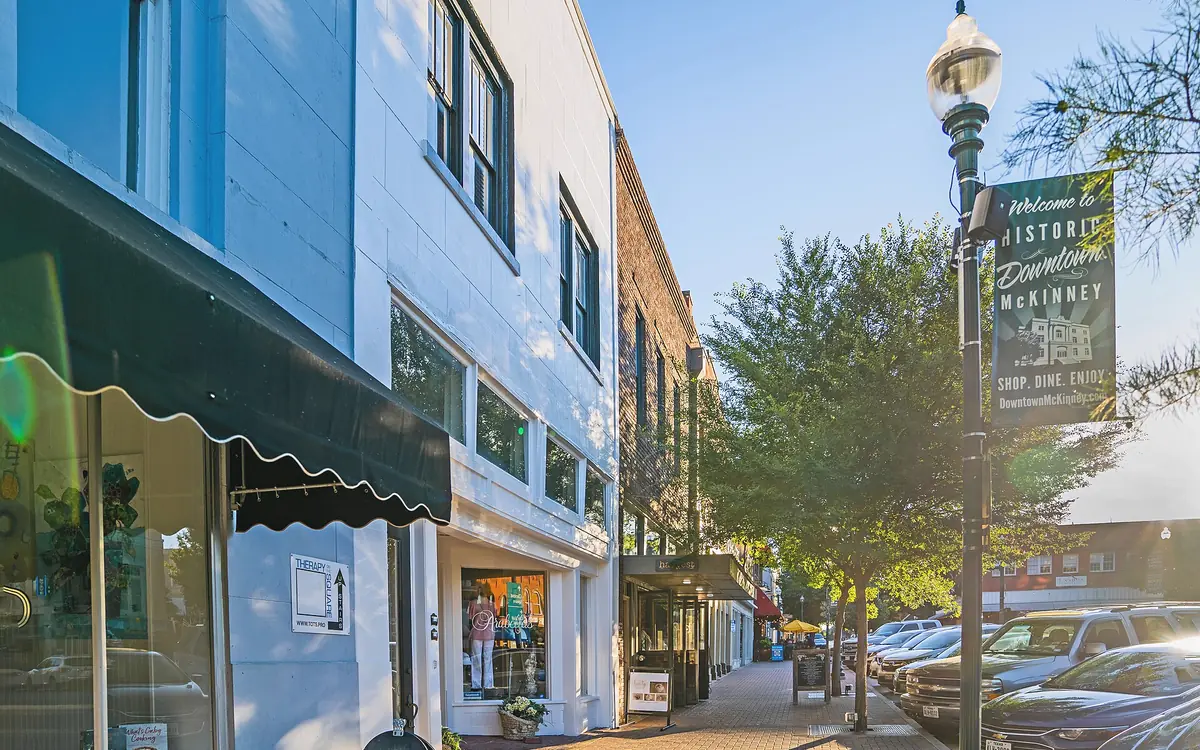
Sales tax.
Shoppers pay 8.25 percent, state and city together. The filing uses figures the bank already accepted.
Click to see sales tax ›Tap to see sales tax ›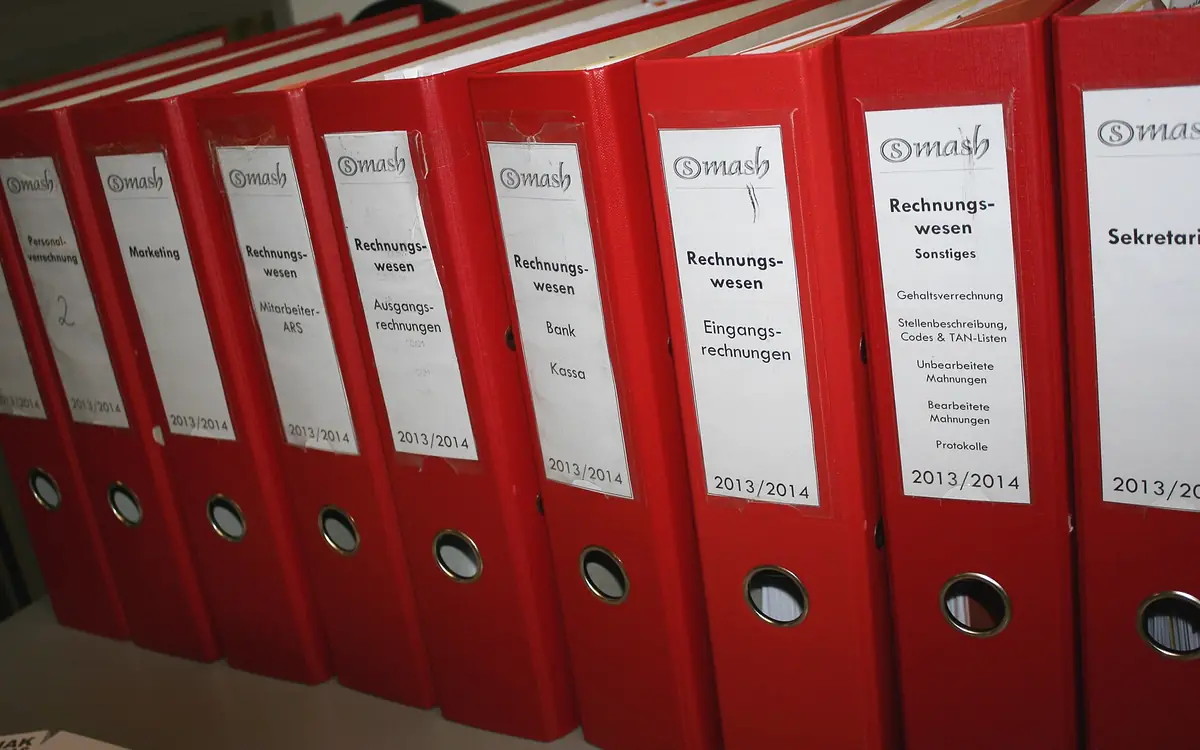
Entity choice first.
Nobody puts a number on the year before the company's shape is talked through.
Click to see entity choice ›Tap to see entity choice ›
Payday setup.
The file stays yours. The login comes back.
Click to see payday setup ›Tap to see payday setup ›
The close day.
We share the first week of school here, when eighteen elementary campuses wake up at once. The payroll journal for that week still has to match the bank draft.
Click to see the hours ›Tap to see the hours ›Six troubles an owner can hand us
Each card names a trouble we actually see, and why it belongs with the books.
1see a payout row with no category
We read the blank row before the books move.
A payout with no category is not a sale yet, and the city hotel line can still be due.
2see a hotel week with no guests
We still expect the filing.
A week with no guests still owes the city a filing. A zero on that line is a real answer.
3see sales tax on the twentieth
We put the date on the books before the return.
State and city travel on one sales return. The following month's twentieth is the day it has to be in.
4see the May franchise report
We read revenue the reports already named.
15 May is the day. Retail and wholesale are tested one way. Other revenue is tested another way.
5see the April property list
We ask whether the list of property is the one you would sign.
The ordinary rendition day is 15 April. Ask the appraisal district in writing and that day can slide to the fifteenth of May.
6see payday with no setup
Setup happens on the payroll company you already chose.
The login stays in your hands. We do not run the payroll.

Steven Palmieri, Tax CFO.
We share the Saturday pride from 2023, when the farmers market in McKinney was named first in the Southwest. You see the morning. We see the drawer that still has to meet the bank on Monday.
Leave the books with us.
Bring the books that still fight the bank statement. That disagreement is where we begin.
If you stayed for the argument
Why the argument is the month.
The month comes first. The bank has to agree before a return is even opened. Payday stays with the company you already pay to run it, and the login stays yours.
A Saturday card batch is the example we keep on the table. The drawer counted one figure at close. The deposit on Monday is a different figure. Both figures stay written down, and the gap between them stays named. We name the gap, we say which month it belongs to, and we leave the return closed until that gap is either explained or still honestly open. That is the whole discipline of a read month, and it is the same discipline whether the shop was busy or quiet. The note stays on the statement the owner can open. The next month does not inherit a silent plug. We would rather show the gap while the month is still warm than meet it for the first time when the return is already being assembled.
The 1911 post office downtown is a history museum on its free days. We enjoy that building as much as anyone who walks in, and a month still has to agree with the bank before a return opens.
The city and the county both take their name from Collin McKinney. We carry that name the way the town does, and the shape of the company is still the talk that comes before any price on the year.
The school district runs 18 elementary schools, five middle schools, and three high schools. We share the August morning when those campuses open, backpacks on the curb and the week suddenly real, and the payroll journal still has to match the bank draft for that week.
What a read month looks like
What we mean by a month that agrees.
We call a month read only when the bank, the sales, and the bills have stopped arguing. We start with the feed, then the items the feed guessed wrong, then the ones a person has to touch. A deposit that is a transfer is not income. A deposit from an owner is not a sale. Those two mistakes are how a year gets loud in October.
The statements come out of that read month. A profit figure with no balance sheet beside it is a rumor. We want both, and we want them to tie to the same close date you can point at.
When the month is still open, we say so. An open month can only support a labeled guess. We will call it a guess if you ask, and we will not polish it into a fact.
Payday, set up and handed back
Payday setup, and the part we hand back.
Your existing payroll company keeps the payday work. We open the file with them, then the login returns to you, and a second person on your side should be able to sign in when you are away.
What we do watch is whether the payroll journal landed in the same month as the bank draft. A payday that posts in the wrong month makes the profit lie, and it makes the return lie later.
The return waits for the months
The return does not start on an open December.
Months that already match are the only ones that go into the return. December has to be a finished month before it is allowed in. Estimates during the year are a conversation about what the months so far suggest, and they get replaced when the real month arrives.
Sales tax in McKinney is 8.25 percent, the state 6.25 plus the city 2, and nothing else is stacked on that rate. The following month's twentieth is the day that return has to be in. A hotel room of two dollars or more meets the city's hotel tax. Add the state's share and the combined figure people plan around is 13 percent. An empty guest list does not retire the hotel filing.
Put the franchise filing on the fifteenth of May. Report years 2026 and 2027 draw a line at 2,650,000 dollars, and revenue under that line can owe none of the franchise tax. Retail and wholesale are measured on one basis. Every other trade is measured on another. We use the revenue the monthly reports already named. We do not type a prettier second figure.